When to Move Vegetable Transplants Outdoors in Kentucky
Moving vegetable transplants outdoors in Kentucky is less about picking a date than matching each crop to the weather and your garden’s conditions. A tomato ready for a warm bed may struggle through a chilly night, while a hardened lettuce transplant can handle cooler conditions. Use frost information as a planning aid, check the forecast, and acclimate seedlings gradually before planting.
Start with frost risk, not a calendar date
Kentucky’s spring weather can shift quickly, and conditions vary between regions and even between nearby gardens. A warm afternoon does not mean the risk of a cold night has passed. Low spots, exposed gardens, and sheltered spaces can all experience different conditions, so a date on the calendar is only one part of the decision.
At the Lexington Bluegrass Airport weather station in Kentucky, the 1991–2020 normal last spring freeze (32°F) at 50% probability is 04/13 (April 13), according to NOAA National Centers for Environmental Information. A 50% probability means this is a reference point, not a promise that frost will be over on that date. The normal describes a pattern from a weather station; your garden may be colder or warmer, and the date varies from year to year.
For a broader look at how frost information can guide planting, see Kentucky Frost Dates: When to Plant and When Freeze Hits and How Kentucky Gardeners Read Spring and Autumn Freeze Chances. For your own decisions, combine historical information with the current forecast and the needs of the crop.
The key distinction is between plants that tolerate cool conditions and plants that need warmth. Lettuce, cabbage, broccoli, and similar cool-season crops are generally more forgiving of chilly spring weather than tomatoes, peppers, eggplant, cucumbers, squash, or basil. That does not make cool-season plants immune to damage: a transplant can still be stressed by cold, wind, saturated soil, or a sudden change from indoor conditions.
Warm-season vegetables need a more conservative approach. Even when a seedling looks sturdy, setting it out while nights remain cold can stall growth and leave it vulnerable to damage. If the forecast points to a cold snap, postponing planting is often safer than relying on a cover as the only protection. If plants are already outside, prepare a suitable cover and remove it when conditions allow so the plants can receive light and ventilation.
Use Kentucky Spring Planting Guide: Frost Normals and Sowing Windows to connect regional frost patterns with the broader planting season. It is also useful to consider the site itself: a raised, sunny bed may warm sooner than heavy ground that stays damp, while a garden in a hollow may collect colder air. The calendar gives context; the forecast, soil, crop, and garden location help make the final call.
Check whether seedlings and beds are ready
A transplant can be ready to leave its container before the garden is ready to receive it. Check the plant and the planting site separately. Healthy foliage and a well-developed root system are encouraging, but they do not cancel out cold conditions or wet, unworkable soil.
A transplant is generally a stronger candidate for planting when it is compact, healthy, and able to hold its root ball together. A seedling that is pale, stretched, wilted, or crowded may need attention before it faces outdoor weather. If roots are circling densely or pushing through the container, the plant may be getting cramped; handle the root ball gently and avoid leaving it exposed while preparing the bed.
The bed should be workable rather than sticky or waterlogged. Digging and planting saturated soil can damage its structure, and roots need air as well as moisture. If soil clings heavily to tools or forms dense clods, wait for it to dry enough to handle without smearing. Why Kentucky Spring Soil Workability Beats the Calendar Date and Checking Spring Soil Workability Before Digging Beds offer more detail on judging when garden soil is ready.
Look at the bed’s exposure, too. A sunny location with good drainage is generally a better spring site than a shaded, soggy area. Wind can dry or batter young leaves, so a place with some protection may help transplants settle in. Avoid putting a heat-loving crop into a spot that is still cold and wet simply because another part of the garden has warmed.
Before planting, check the forecast beyond the afternoon when you intend to work. Consider the overnight low, the possibility of frost, wind, and rain. If cold weather is expected, wait if you can, especially with tender crops. If planting cannot be delayed, have a plan to cover the plants and secure the cover before temperatures fall. Kentucky Garden Frost Protection: Cold Snaps, Covers, and Dates discusses practical ways to respond to a cold night.
A useful readiness check includes:
- The plant: Is it healthy, sturdy, and free of obvious wilting or damage?
- The roots: Can the root ball be moved and planted without falling apart or being badly tangled?
- The bed: Is the soil workable and draining, rather than soaked and compacted?
- The forecast: Are conditions suitable for that crop, including overnight weather?
- The site: Is the planting spot likely to be warmer, windier, wetter, or colder than the rest of the yard?
If one of these checks gives you pause, there is no need to treat a planned planting day as a deadline. Keeping a transplant in its container for a little longer may be preferable to exposing it to conditions it cannot handle. Do not let it dry out or become more crowded while waiting, and make sure it continues to receive suitable light.
Harden transplants off before planting
Seedlings raised indoors have not yet experienced the full force of outdoor sunlight, wind, and changing temperatures. Moving them directly from a protected indoor space into a garden bed can cause stress even when frost is not expected. Hardening off is the gradual transition that helps plants adjust before transplanting.
Begin by exposing plants to a sheltered outdoor location for a limited period, then increase their outdoor exposure gradually as they tolerate it. Start with a place out of strong wind and direct midday sun. Bring the plants back inside or into protection when conditions are harsh. As they adjust, allow more exposure to outdoor light and air, while continuing to avoid damaging weather.
The goal is not to make a seedling endure every condition before planting. It is to help it adapt without wilting, scorching, or becoming battered. Watch the leaves and stems after each outing. If a plant looks stressed, return it to a more protected setting and ease the transition rather than pushing ahead.
Outdoor exposure also means paying attention to moisture. Small containers can dry quickly in sun and wind, but persistently wet potting mix can harm roots. Check the containers directly instead of assuming that outdoor air or recent rain has kept them evenly moist. Keep plants secure from strong gusts and animals, and avoid leaving them in a place where they can overheat.
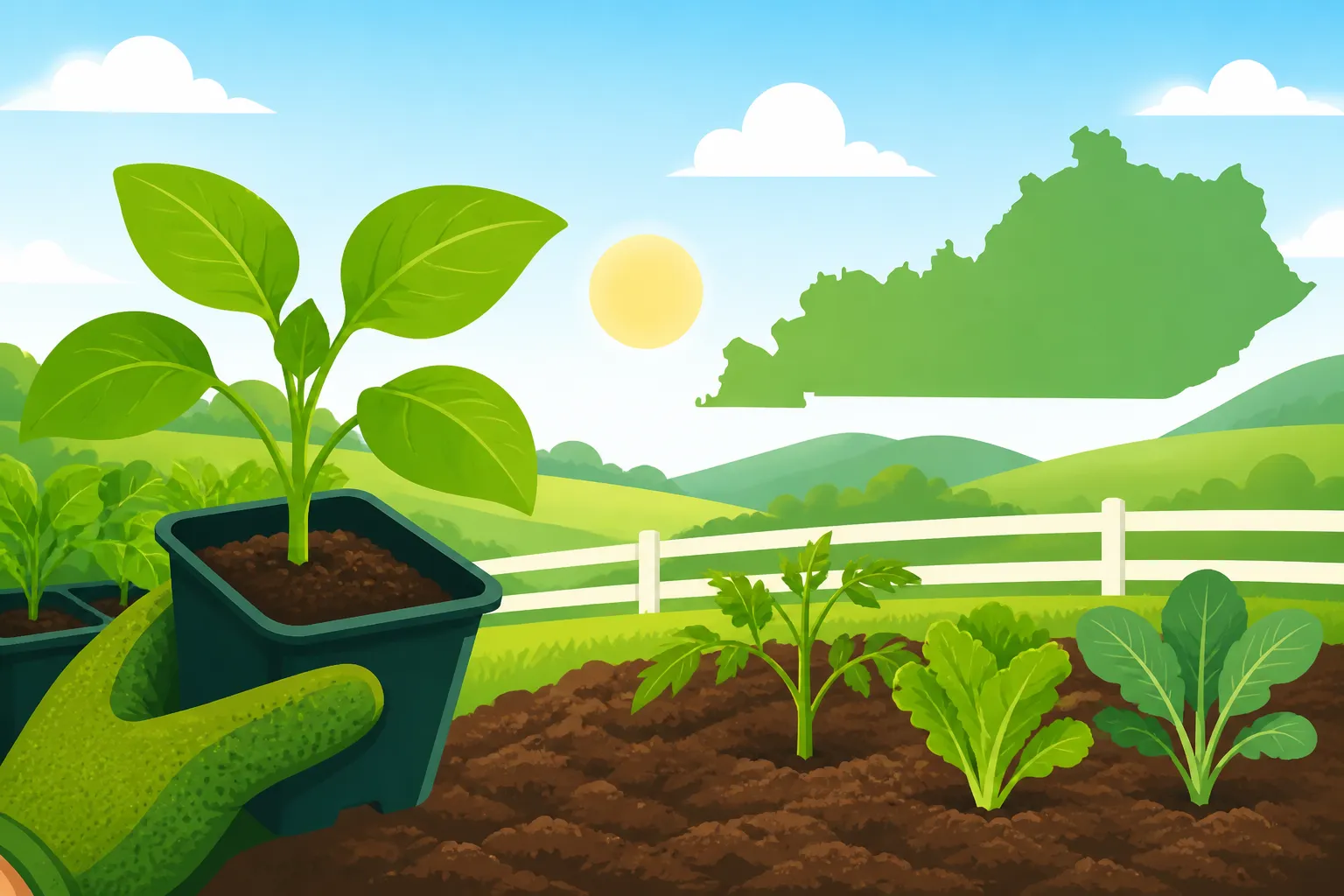
Transplant shock is easier to reduce than to fix. Water the plant and its planting area as appropriate, handle the root ball carefully, and avoid rough treatment of the stem. Set the plant at a suitable depth for the crop, firm soil gently around the roots, and water to settle the soil without leaving the bed waterlogged. Follow the seed packet or plant tag for crop-specific instructions. Botanical Interests seed packets can be useful for checking the growing guidance associated with a particular crop or variety.
For a step-by-step discussion of acclimating seedlings, see Hardening Off and Planting Spring Transplants in Kentucky. If you are deciding whether a crop is better started indoors or sown directly, Start Indoors or Direct Sow: Kentucky Garden Planting Methods can help you compare the approaches. Hardening off applies to more than vegetables: any indoor-raised transplant needs time to adjust to outdoor conditions.
Match the planting decision to the crop
A single “safe transplant date” for all vegetables is not very useful. Crops differ in their tolerance for cool weather, and a plant’s condition matters as much as its name. Use this comparison as a starting point, then check the forecast and the crop’s growing instructions.
| Crop group | Examples | What to consider before moving outdoors |
|---|---|---|
| Cool-season leafy crops | Lettuce, spinach, and similar greens | These are generally more tolerant of cool conditions, but still benefit from hardening off and protection from harsh weather. |
| Cool-season brassicas | Cabbage and broccoli | They can be planted in cooler conditions than heat-loving crops, but young plants need sound roots, workable soil, and a suitable forecast. |
| Warm-season fruiting crops | Tomatoes, peppers, and eggplant | Wait for conditions that suit warmth-loving plants; cold nights can slow growth or damage tender foliage. |
| Warm-season vines | Cucumbers, squash, and melons | These are sensitive to chilly conditions and can be set back by cold, wet soil or a sudden temperature drop. |
| Tender herbs | Basil | Treat basil as a warmth-loving plant and delay planting if cold conditions remain a concern. |
The table is not a substitute for variety-specific instructions. Some varieties differ in maturity, vigor, or tolerance, and labels may give useful guidance. A seedling’s development also matters: a small, weak transplant may need more time to become established, while an overgrown plant can be difficult to handle and may suffer when moved.
Cool-season plants are not all interchangeable. Lettuce and spinach can react differently from cabbage or broccoli, and a plant that tolerates cool air may still struggle in cold, waterlogged soil. If you want to coordinate different crops, When to Move Warm-Season Crops Out is not a title in this site’s catalog; instead, use Kentucky Spring Planting: When to Move Warm-Season Crops Out for a crop-specific look at warm-season decisions, and Sowing Cold-Hardy Peas, Lettuce, and Spinach in Early Spring for early cool-season sowing.
For tomatoes, peppers, and other tender crops, consider both nighttime conditions and the plant’s adjustment to outdoor exposure. A plant that has been hardened off can still be harmed by a cold snap. If conditions look uncertain, keep the crop protected or wait rather than assuming that a healthy appearance means it is ready for any weather.
A cloudy, mild stretch can be easier on newly planted seedlings than a sudden shift to strong sun and drying wind. When possible, choose a calm period and avoid transplanting during severe weather. If a plant must be moved during a bright, breezy day, provide temporary protection from the harshest conditions and monitor it closely afterward.
Plant carefully and respond to changing weather
Good transplanting technique reduces avoidable stress, but it cannot compensate for a poor planting window. Prepare the bed first so that seedlings spend little time out of their containers. Water the plants if their root balls are dry, make planting holes that fit the roots, and keep roots shaded while you work. Handle seedlings by the root ball or leaves rather than squeezing the stem.
After planting, settle the soil gently around the roots and water as needed. Avoid turning the bed into mud. A newly planted transplant needs moisture near its roots, but soil that stays saturated can deprive roots of air. Check the planting area rather than relying on a fixed watering schedule; weather, soil texture, and container size all affect how quickly plants dry.
Keep an eye on plants after transplanting. Temporary drooping can happen, but persistent wilting, bleached or scorched leaves, damaged stems, or no visible progress may signal stress. Consider the recent weather and the soil before deciding what to change. A plant may need shade from intense sun, protection from wind, more even moisture, or relief from cold. Adding more water without checking the soil can make a wet-bed problem worse.
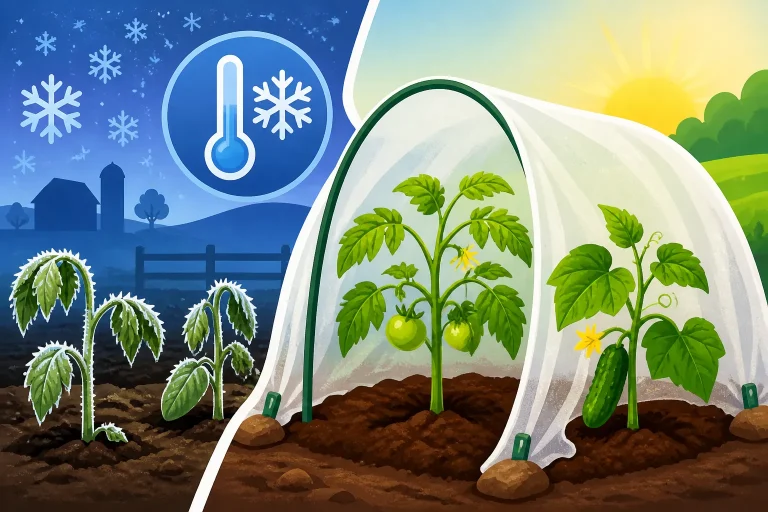
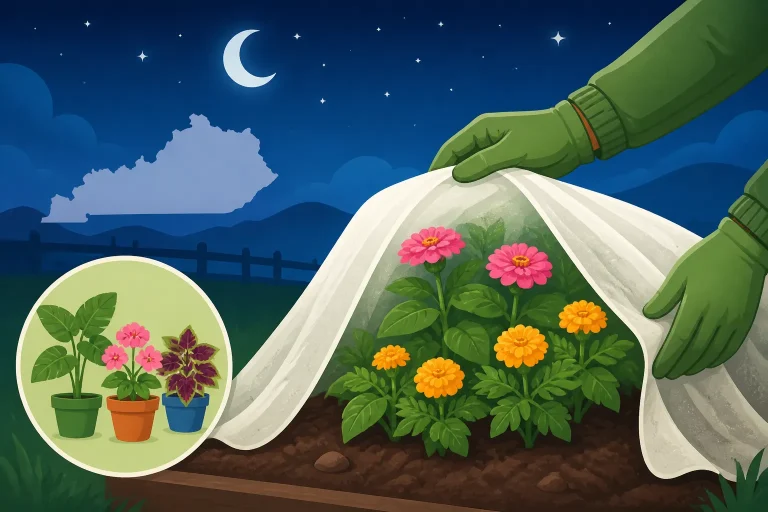
If a cold night threatens after planting, use a cover appropriate to the situation. Make sure it protects the foliage and is secured against wind. A cover that rests on tender leaves may not provide the protection you expect, and a sunny day can create a different set of problems if the covering stays on too long. See Using Fabric Row Covers Over Cold-Sensitive Spring Transplants and What to Do When a May Cold Snap Threatens Tender Crops for more on protecting plants when the forecast changes.
Avoid assuming that one protective method works for every crop or every cold event. Covers can help reduce exposure, but they are not a guarantee against damage. For tender transplants, postponing planting is often the simpler option when a cold snap is forecast. If plants are already in the ground, monitor the forecast and choose protection suited to the plants and conditions.
Keep planting notes as the season progresses. Record which crops went out, what the weather was like, and how they responded. Those observations help you adjust future decisions for your own garden’s shade, drainage, and cold-air patterns. They are especially useful if one part of the yard consistently dries or warms sooner than another. For help adapting a schedule to the state’s regional differences, see Vegetable Planting Windows Across Kentucky’s Regions and Kentucky Garden Sowing Schedule: Month-by-Month Outdoor Planting.
A practical rule is to make the final decision close to planting, based on the crop and current conditions, rather than treating an earlier plan as fixed. Start with frost information, then check the current forecast, inspect the soil and plants, and harden seedlings off. If those checks do not line up, waiting can protect the work you have already put into raising the plants.
Frequently Asked Questions
Can I plant vegetable transplants as soon as the average last frost date passes?
Not automatically. A frost normal is a reference point, not a guarantee for a particular garden or year. Check the forecast and consider whether the crop tolerates cool conditions.
Which vegetables can go outside first?
Cool-season crops such as lettuce, spinach, cabbage, and broccoli are generally more tolerant of cool weather than tomatoes, peppers, cucumbers, squash, or basil. The seedling’s condition and the garden’s soil and exposure still matter.
Do I need to harden off seedlings raised indoors?
Yes. Gradually introducing indoor-grown seedlings to outdoor light, wind, and changing temperatures helps limit stress. Increase exposure as plants tolerate it, and protect them from harsh conditions.
Should I cover transplants if a cold night is forecast?
A suitable cover may reduce exposure, but it is not a guarantee of protection. If tender crops are not yet planted, postponing the move outdoors is often the safer choice when cold weather is expected.
Sources
- NOAA National Centers for Environmental Information — NOAA NCEI 1991–2020 Climate Normals — Lexington Bluegrass Airport, Kentucky (checked November 14, 2026)
Disclaimer
This article is for general informational purposes only and does not constitute professional advice. Laws, prices and regulations vary by location and change over time. Consult a qualified professional for guidance on your specific situation. Kentucky Gardening Guide is not a government agency and is not affiliated with any university extension, state department of agriculture or other government agency.