Sowing Fall Greens and Root Crops in July and August
July and August can feel like awkward months to start a garden: summer crops are still producing, the soil is hot, and new seedlings can dry out fast. But these weeks are also a useful window for growing fall greens and roots. The key is to choose crops for the time you have, keep seedbeds evenly moist, and sow in small batches rather than all at once.
Why sow fall crops in July and August
Many popular fall vegetables are cool-season crops. They grow well as summer heat eases, but their seeds and seedlings still have to get through hot, sometimes dry weather first. Sowing in July or August gives plants a chance to establish before autumn, when cooler conditions can support leaf growth and root development.
That timing involves a trade-off. Sow too early and seedlings may struggle in heat or mature before you want to harvest them. Sow too late and plants may not have enough time to size up before short days and cold weather slow growth. The right window depends on the crop, your part of Kentucky, the garden’s conditions, and the maturity time on the seed packet.
A productive fall bed does not have to be large. A few short rows of radishes, beets, or greens can make useful use of space as summer crops finish. You can also tuck fall sowings into gaps between established plants, as long as seedlings will get enough light and water.
For a broader view of crop timing through the year, see Kentucky Year-Round Garden Calendar and Planting Schedule. The Kentucky Fall Vegetable Planting Calendar can also help you compare likely windows for crops beyond greens and roots.
Start with the space you will have
Before sowing, estimate when a summer crop is likely to come out. A bed that will be occupied by tomatoes or squash for several more weeks is not ready for a full row of fall crops, though a small sowing may fit along an edge. If you plan to reuse a bed, remove spent plants and weeds promptly so the next crop can establish without competition.
Also consider where water will come from. A late-summer seedbed needs more attentive moisture than an established garden bed. If the area is difficult to reach with a hose or watering can, sowing there can turn into a daily chore. A convenient spot near your regular watering route may be more successful than a larger, out-of-the-way bed.
Think in harvests, not just planting dates
A single sowing is easy to manage, but it can produce more vegetables than you can use at once. A sequence of smaller sowings spreads the harvest and gives you another chance if a hot spell, heavy rain, or poor germination thins the first planting.
This is especially useful for quick-growing crops such as radishes and some salad greens. For a practical approach to spacing sowings over time, see Planning Fall Garden Successions Before First Autumn Freeze. Even one or two follow-up sowings can make a fall bed more useful.
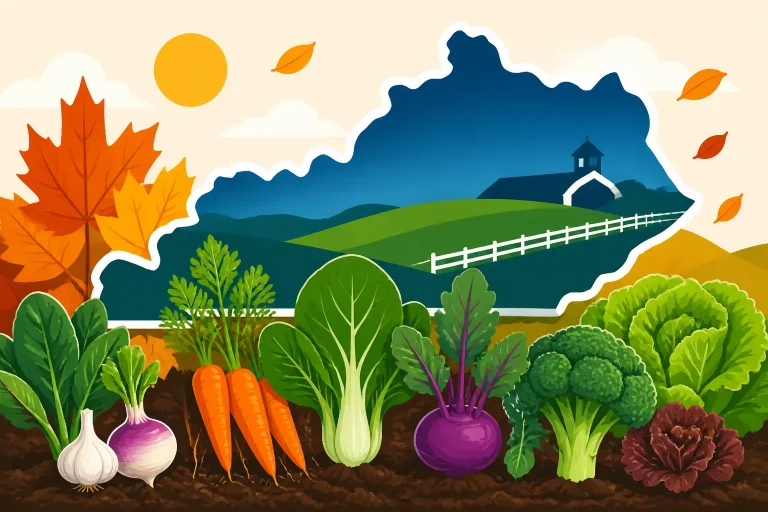
What to sow for fall greens and roots
Choose crops according to how you want to eat them, how much room you have, and how much time remains before cold weather. Root crops generally need a reasonably loose, stone-free seedbed so their roots can develop without obstruction. Leafy crops need enough space and moisture to keep making leaves, and some can be harvested gradually.
The table gives a general starting point, not a fixed calendar. Check each packet for the crop’s days to maturity, depth, spacing, and any variety-specific notes. Those details can vary among seed types. Botanical Interests seed packets, like other seed packets, can help you compare maturity information and sowing instructions for the varieties you have.
| Crop | Why it can suit a fall garden | Practical point for July and August sowing |
|---|---|---|
| Radishes | Often provide a relatively quick root crop and can fill a short row or small gap | Keep the seedbed moist as seeds germinate, and sow in small batches for a more even supply |
| Beets | Provide edible roots and leaves | Thin seedlings as directed so remaining plants have room to form roots |
| Carrots | Useful for a later root harvest | Sow into a fine, loose surface and keep it consistently moist until seedlings emerge |
| Turnips | Can provide roots and greens, depending on the crop and how you harvest | Check the packet for spacing and maturity guidance, and avoid letting seedlings dry out |
| Lettuce | Offers leaves that can be picked as plants grow or harvested more fully | Heat and dry soil can make establishment difficult, so choose a spot you can water reliably |
| Spinach | A cool-season leafy crop that can be sown for fall harvest | Germination can be uneven in warm soil; use the packet and local conditions to judge the best sowing window |
| Mustard greens | Grow as leafy crops and can be harvested young or allowed to develop larger leaves | Sow only as much as you expect to use, and keep young plants growing steadily |
| Kale and collards | Provide sturdy leafy plants for repeated picking | Allow enough room for mature plants and consider whether the bed will stay available through fall |
These crops do not all respond to heat in the same way. Radishes can become tough or overly pungent if growth is interrupted, while carrots may take time to emerge and need careful moisture management at the soil surface. Lettuce and spinach can be especially frustrating when a hot, dry seedbed prevents reliable germination. If you have limited space, start with a crop that fits your meal plans and is manageable to water.
For more detail on seed timing for two common choices, see Direct-Sowing Fall Carrots and Bibb Lettuce in July and August. If spinach or radishes are part of your plan, Soil Temperatures for Germinating Kentucky Spinach and Radishes explains why soil warmth matters as much as the calendar.
Match the crop to the harvest you want
If you want quick additions to salads, consider a small sowing of radishes or young leafy greens. If you prefer crops that can be picked over time, plan for rows or patches of greens that allow repeated leaf harvests. Root crops may suit gardeners who want to store or cook a larger harvest, but they need enough uninterrupted time in the bed to develop.
You can also use edible leaves from some root crops when appropriate, but do not take so much foliage that the plant cannot keep developing its root. For a small garden, a mix of a short row of roots and a modest patch of greens is often easier to manage than a large planting of one crop.
How to time sowings without relying on a fixed date
Kentucky gardens do not all experience the same conditions. Elevation, slope, nearby buildings, open exposure, and cold-air drainage can affect how quickly a garden cools in autumn. A bed in a sheltered spot may behave differently from one in a low area where cold air settles. Frost timing also varies from year to year, so a date on a calendar cannot guarantee a frost-free season.
Instead, use the seed packet’s maturity information as a planning tool. Count backward from the period when you want to harvest, allowing time for establishment and slower growth as days shorten and temperatures cool. Treat that estimate as a guide rather than a promise. Warm soil, drought, uneven germination, crowding, and plant stress can all delay harvest.
For an individual crop, use this process:
- Pick a realistic harvest goal. Decide whether you want baby leaves, full-size greens, or mature roots. A smaller harvest goal may fit a shorter remaining season.
- Check the packet’s days-to-maturity information. Confirm what the number refers to, since seed packets may calculate maturity from sowing or transplanting.
- Allow for establishment. Seeds need time to germinate, and seedlings need time to build roots and leaves before they can grow rapidly.
- Compare the estimate with your local conditions. Consider how exposed or sheltered the bed is and whether it tends to cool early.
- Sow a small test batch if the window is uncertain. A modest planting limits wasted seed and gives you a chance to follow with another crop if conditions suit it.
The maturity information is most useful when combined with observation. If a crop is still small as autumn approaches, protect it from damaging cold when practical and harvest usable leaves or roots before conditions become unfavorable. The broader Kentucky Fall Harvest Calendar: Greens, Roots, and Late Brassicas can help you think through harvest expectations across the season.
Choose the right sowing window for each crop
July and August are not interchangeable for every vegetable. In general, the earlier part of this period gives slower-growing crops more time, while later sowings are more suitable for quicker crops or crops that will be harvested young. But heat can make early sowing harder: a seed that has more calendar time may still struggle if its bed dries repeatedly or the soil is too warm for reliable germination.
A useful compromise is to sow a little of a crop when conditions are suitable, then reassess. If the first batch emerges and grows well, make a second sowing. If it struggles, improve moisture or shade the seedbed during the hottest part of the day before committing more space and seed.
Some fall crops can also be started in a protected spot and moved later, but direct sowing is often simpler for roots because they can be sensitive to disturbance. Leafy crops may give you more flexibility. If you are deciding between the two methods for other garden crops, Start Indoors or Direct Sow: Kentucky Garden Planting Methods lays out the considerations.
Read the weather, not just the calendar
A forecast can help you decide whether to sow immediately or wait for a more favorable stretch. A run of very hot, dry days may be a poor time to establish a small-seeded crop if you cannot keep the bed moist. On the other hand, waiting too long can reduce the time available for growth. There is no universal cutoff; use the crop’s maturity needs, your ability to water, and the condition of the seedbed together.
Keep local frost patterns in perspective. A first frost is not the same as a season-ending freeze, and different crops tolerate cold differently. For guidance on how frost risk shifts around Kentucky, see How Kentucky Gardeners Read Spring and Autumn Freeze Chances. For questions about extending leafy harvests as temperatures fall, How Late into Autumn Can You Sow Greens in Kentucky? is also relevant.
Prepare a seedbed that can handle summer heat
Successful fall sowing starts with the surface layer of soil. Seeds need good contact with moist soil, and small seedlings cannot reach far down for water. If the bed is dry, compacted, crusted, or crowded with weeds, germination can be patchy even when the timing is right.
Start by clearing the planned row or patch. Remove weeds and the remains of finished crops, then loosen only the area needed for sowing. A fine, even surface is especially helpful for small seeds such as carrots and lettuce. Break up large clods and remove stones or sticks that interfere with the seedbed. Avoid working soil when it is wet enough to smear or form sticky clumps.
If the bed has been occupied by a summer crop, check that it is not depleted of moisture and that no roots or debris will block the next planting. Finished compost may be useful where the bed needs organic matter, but amendments should not be added automatically. Soil condition and the needs of the crop matter. For more on preparing beds, see Preparing Vegetable Garden Beds for Spring Planting; the same principles of a workable, weed-free seedbed apply to late-season sowing.
Make a shallow, consistent sowing
Use the seed packet for sowing depth and spacing. Tiny seeds are often planted shallowly, while larger seeds can be placed deeper, but the correct depth varies by crop. If seeds are buried too deeply, seedlings may fail to reach the surface; if they are left exposed, they may dry out or be moved by water.
For small seeds, a shallow furrow helps keep the row even. Sow carefully, cover lightly with soil, and water gently so the seed does not wash away. Mark each row with the crop name and sowing date. That small step makes it easier to distinguish seedlings from weeds and to judge how a succession is progressing.
For crops that need thinning, sowing at the packet’s recommended rate can reduce crowding. If seedlings emerge too close together, thin them to the recommended spacing rather than allowing competition to persist. Crowded roots may stay small or become misshapen, and crowded greens are more difficult to keep healthy.
Keep the surface damp until seedlings emerge
The top layer of soil can dry quickly in summer sun and wind. A seedbed that feels damp in the morning may be dry by afternoon, particularly in raised beds or sandy soil. Check the surface regularly while seeds are germinating. Water gently and often enough to keep the seed zone from drying, without washing seeds into clumps or leaving the bed saturated.
A light mulch can help conserve moisture after seedlings are established, but do not cover tiny seeds with a thick layer that blocks emergence. Where the seedbed is exposed, a temporary light shade can reduce midday stress. Remove or adjust it as plants emerge and grow, making sure seedlings still receive enough light and airflow.
Avoid trying to solve a moisture problem by soaking the bed once and then leaving it to dry. Frequent swings between wet and dry conditions can interrupt germination and slow young plants. For more on keeping newly sown crops and transplants supplied with water, see Watering New Vegetable Seedlings and Transplants in Kentucky.
Care for seedlings through late summer and harvest gradually
Once seedlings emerge, the aim is steady, even growth. Young plants are vulnerable to drying, heat, weeds, and crowding. Check them often enough to catch trouble early, especially during a dry spell or while a crop is still establishing.
Water at the soil rather than repeatedly wetting foliage. The right amount depends on soil, weather, and crop stage, so use the soil’s moisture and plant condition as cues instead of following a rigid schedule. If seedlings wilt in the heat of the day, check whether the soil is dry before assuming they need water; heat can temporarily stress plants, while waterlogged soil can also harm roots.
Keep weeds under control while they are small. Weeds compete for water and light just when fall crops are trying to establish. Hand-pull carefully near seedlings, or use a shallow tool between rows to avoid disturbing developing roots. If a bed is crowded, thin rather than trying to make every seedling fit.
Adjust for heat and heavy rain
Hot weather can make new sowings difficult even when the soil is moist. If seedlings repeatedly wilt or stop growing, look at the whole setup: Is the bed exposed to afternoon sun? Is water reaching the seed zone? Has a crust formed on the surface? A temporary shade or gentle loosening between rows may help, but avoid disturbing the seedling roots.
Heavy rain can also wash out rows, expose seed, or leave soil crusted as it dries. After a storm, check whether seeds remain covered and whether water has pooled. A well-drained bed is easier to manage than one that stays saturated. If drainage is a recurring issue, address the bed before relying on late-season sowings there.
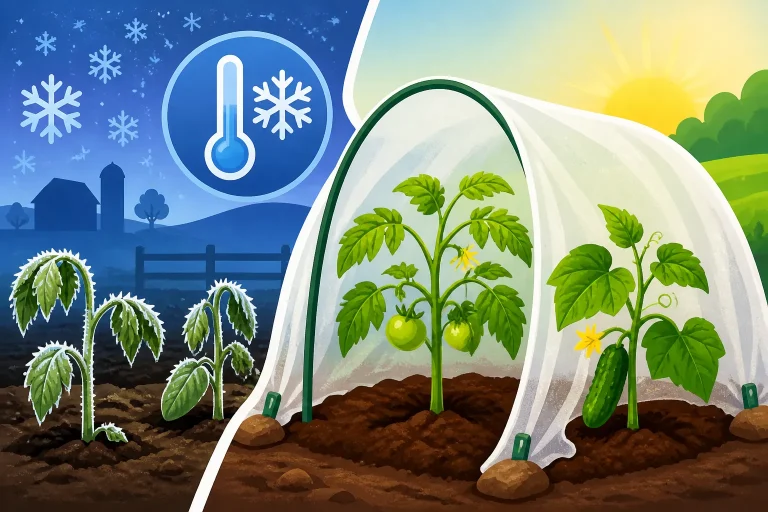
A row cover or other protective fabric may help with certain pests or weather conditions, but it can also trap heat. Use it only when appropriate for the crop and conditions, and check the temperature and airflow beneath it. For frost-specific protection methods, see Kentucky Garden Frost Protection: Cold Snaps, Covers, and Dates.
Harvest at the stage that suits the crop
Many greens can be harvested a few leaves at a time once plants are large enough to tolerate picking. Take outer leaves and leave the growing point intact if you want the plant to keep producing. For a one-time harvest, cut plants when they reach a useful size rather than waiting for an idealized full maturity date that may not arrive before cold weather.
Root crops are often best harvested when they have reached a practical size for eating. Leaving them too long does not always improve quality; some may become coarse or woody, especially if growth has been interrupted by heat or dry soil. Check a few plants to gauge size before harvesting an entire row.
Keep records of what you sowed and how it performed. Note the crop, sowing date, bed location, and whether germination was strong. Those observations are more useful than a generic calendar alone because they reflect the conditions in your own garden. If a crop failed, record whether heat, moisture, weeds, or timing seemed to be the main obstacle, then adjust the next sowing.
Frequently Asked Questions
Is July too early to sow fall greens in Kentucky?
Not necessarily. July can give slower-growing crops more time, but hot, dry conditions can make establishment difficult. Choose a crop that fits the remaining season and sow only where you can keep the seedbed evenly moist.
Can carrots be sown in August?
They may be suitable if the remaining growing time fits the maturity information on the packet and your local conditions. Carrot seeds need a consistently moist surface to emerge, so plan for close moisture checks during germination.
Should I sow a whole row of radishes at once?
Usually, smaller batches are easier to use and manage. A follow-up sowing can spread the harvest, provided the first planting is growing well and there is enough season left for the next batch.
What if seedlings emerge unevenly?
Check for dry patches, a crusted surface, seeds planted too deeply, or water that moved seed out of place. Thin crowded sections if needed, and consider resowing only the gaps if there is enough time for the crop to mature.
Disclaimer
This article is for general informational purposes only and does not constitute professional advice. Laws, prices and regulations vary by location and change over time. Consult a qualified professional for guidance on your specific situation. Kentucky Gardening Guide is not a government agency and is not affiliated with any university extension, state department of agriculture or other government agency.